Effective winter roof maintenance involves several critical steps to guarantee structural integrity and prevent costly damage. Prompt snow removal mitigates excessive weight, reducing the risk of sagging or collapse, while regularly monitoring ice formation helps prevent ice dams and associated water damage. Inspecting flashing for signs of degradation around chimneys, vents, and skylights is essential to avoid water infiltration, and cleaning gutters routinely prevents debris buildup and ice dam formation. Additionally, guaranteeing proper attic ventilation helps regulate temperature and moisture levels, preventing heat buildup and long-term structural problems. Because winter conditions can conceal underlying issues and make roof access hazardous, homeowners are strongly encouraged to contact a qualified roofing professional to perform inspections and maintenance safely and effectively. Implementing these strategies with professional guidance ensures a more resilient roof and long-term protection.
Main Points
- Promptly remove snow to prevent roof sag or collapse.
- Monitor and remove ice buildup to avoid damage to shingles and gutters.
- Inspect flashing thoroughly and repair any signs of degradation.
- Clean gutters regularly to prevent water backup and ice dams.
- Ensure proper attic ventilation to regulate temperature and moisture levels.
Remove Snow Promptly
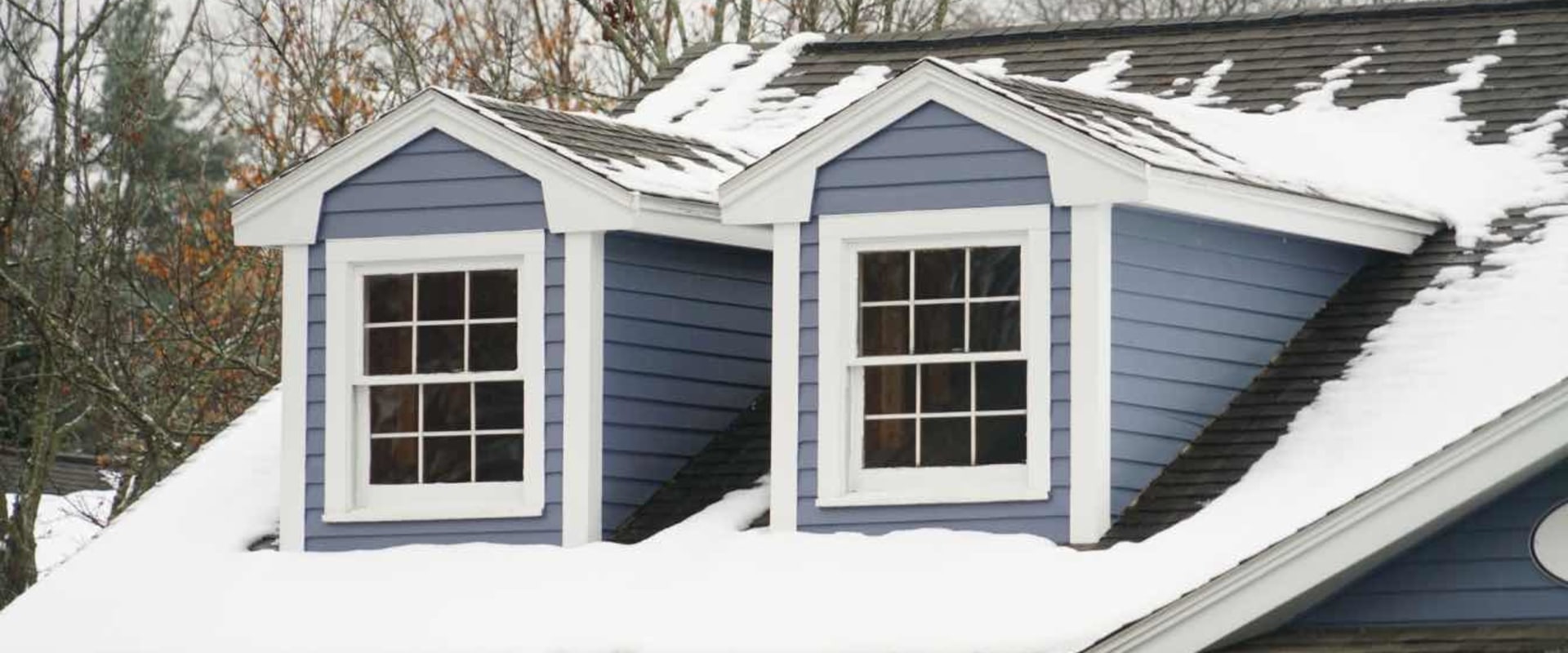
Prompt snow elimination is crucial to mitigate the risk of structural damage and maintain roof integrity during winter months. Accumulatedsnow exerts significant pressure on a roof, and if not addressedpromptly, can result in severe consequences such as roof sag or evencollapse. The weight of snow can compromise the structural integrity ofthe roof, leading to costly repairs or replacements.
One of the primary concerns associated with snow accumulation is theformation of ice dams. These ice formations can cause shingle damage and leaks, further exacerbating potential water infiltration issues.Effective snow removal practices are essential to prevent roof damageand guarantee that the roofing system remains functional throughoutwinter.
Utilizing heat cables can be an efficient method to prevent ice damsby maintaining a clear drainage path for melting snow. However, thesignificance of professional snow removal services cannot be overstated. Trained professionals possess the expertise and equipment necessary tosafely and thoroughly eliminate snow from your roof, thereby minimizingthe risk of structural damage.
Monitor Ice Formation
In addition to snow removal, diligent monitoring of ice formation onyour roof is crucial to prevent ice dams and subsequent water damage.Ice formation can lead to ice dams, which cause water backup undershingles, resulting in leaks and potential structural damage. Regularmonitoring is essential to mitigate these risks and maintain the roof'sintegrity.
Ice buildup can also damage shingles and gutters, furthercompromising the roof's structure and functionality. To effectivelymonitor and manage ice formation, consider the following practicaladvice:
- Regularly inspect roof edges and valleys: These areas are prone to ice buildup and need frequent checks.
- Ensure gutters are clear: Blocked gutters can worsen ice formation and water backup.
- Use a roof rake for ice removal: This tool helps you safely remove ice from the ground.
- Install heat cables: These can prevent ice dams by promoting proper drainage.
- Consult professionals: Hiring experts can guarantee safe and efficient ice removal, minimizing safety hazards.
Monitoring ice formation not only prevents leaks and structuraldamage but also reduces the risk of slippery conditions around yourhome, enhancing overall safety. By remaining vigilant and proactive, you can protect your roof from the harmful effects of winter weather.
Inspect Flashing
Ensuring the integrity of your roof's flashing is vital to preventing water infiltration and maintaining the structural soundness of yourhome during winter. Proper flashing maintenance involves a thoroughinspection for any signs of degradation, such as loose, damaged, orwarped areas. Flashing serves as an important component of roofprotection by sealing joints and preventing water from seeping intovulnerable areas.
During winter maintenance, carefully inspect flashing aroundchimneys, vents, skylights, and valleys. Look for any gaps, rust spots,or signs of wear that could lead to roof leaks. Water damage fromcompromised flashing can not only cause internal leaks but alsodeteriorate the structural stability of your roof over time.
Checking flashing before winter sets in is essential to avertpotential problems. If you identify any issues, prompt flashing repairis advisable. This might involve resecuring loose flashing, replacingdamaged sections, or applying sealant to minor cracks. Neglecting theserepairs can result in significant water damage and costly repairs in the future.
Clean Gutters Regularly
Regularly cleaning gutters is crucial in preventing water backup andsubsequent roof damage during the winter months. As debris such asleaves and twigs accumulate, it can obstruct the proper water flow,causing water to pool and eventually seep into the roof structure. Thisleads to the formation of ice dams, which can further worsen roofdamage.
To effectively maintain gutters, consider the following practical advice:
- Trim Overhanging Trees: Reducing the amount of foliage that falls into the gutters helps minimize debris accumulation.
- Schedule Regular Cleanings: Depending on your local climate and tree coverage, aim for at least two cleaningsannually—preferably in late autumn and early spring.
- Inspect for Damage: During each cleaning, check for and repair any cracks or loose attachments to maintain the integrity of the gutters and fascia boards.
- Install Gutter Guards: These can significantly lessen the frequency of cleanings by preventing large debris from entering the gutter system.
- Ensure Proper Downspout Functionality: Make suredownspouts are clear and direct water at least three feet away from thefoundation to prevent leaks and water damage.
Check Attic Ventilation
Proper attic ventilation is vital for regulating temperature andmoisture levels, thereby preventing ice dams and extending the roof'slifespan. Making sure adequate airflow through the attic space mitigates heat buildup and moisture issues, both of which can compromise roofhealth. Regularly inspecting vents and soffits for blockages or damageis essential in maintaining effective attic ventilation. This proactiveapproach helps prevent the formation of ice dams, which can lead tocostly repairs if left unchecked.
Investing in additional vent installation can greatly enhanceairflow. This may involve installing ridge vents or gable vents tocomplement existing systems, thereby reducing the risk of heat buildup.Adequate attic ventilation also plays a crucial role in controllingmoisture levels, preventing mold growth and structural damage.
Here is a concise overview of key considerations:
| Topic | Description | Action Required |
|---|---|---|
| Attic Ventilation | Regulates temperature and moisture | Regular inspections |
| Ice Dams | Formed by inadequate airflow | Ensure proper venting |
| Airflow | Essential for preventing heat buildup | Check and clear vents and soffits |
| Vent Installation | Enhances existing ventilation systems | Consider additional vent installation |
Effective winter roof maintenance is crucial in preserving structural integrity and preventing costly repairs. Prompt snow removal helpsreduce excessive weight load, while vigilant monitoring of ice formation decreases the risk of ice dams. Examining roof flashing guaranteeswatertight seals, and routine gutter cleaning promotes proper drainage.Sufficient attic ventilation is crucial to prevent moisture buildup andtemperature imbalances. Following these practices improves rooflongevity and protects against winter-related damages.