Heating Solutions for Cold Washington Winters
Traversing cold Washington winters demands effective heating solutions. High-efficiency systems, such as heat pumps, decrease heating costs by up to 30% through advanced energy usage and reduced consumption.
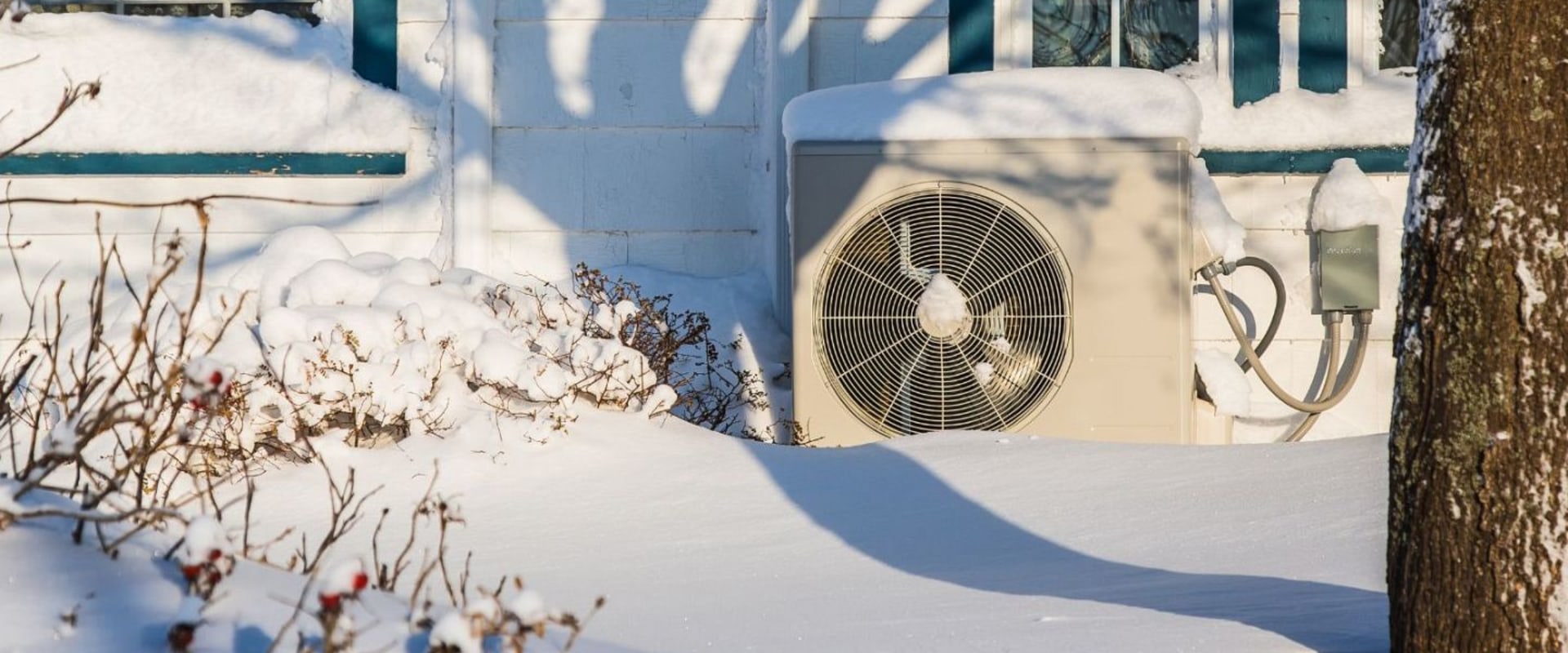
Traversing cold Washington winters demands effective heating solutions. High-efficiency systems, such as heat pumps, decrease heating costs by up to 30% through advanced energy usage and reduced consumption. Properly sizing your system prevents energy waste and maximizes efficiency. Regular maintenance ensures longevity and enhances performance. Forced air gas systems, ductless heat pumps, and hydronic heating options cater to diverse needs, each with unique benefits and considerations. Implementing energy-saving measures like caulking air leaks and using programmable thermostats can further reduce costs. To select the best-fitting system and maintain it effectively, continued exploration of these topics is essential.
Main Points
- Install high-efficiency heat pump systems for optimal performance in cold climates.
- Ensure proper home insulation to reduce the heating system's workload and energy consumption.
- Use programmable thermostats to manage heating schedules and save on energy costs.
- Regularly maintain heating systems to ensure peak efficiency and longevity.
- Seal air leaks and cover windows to minimize heat loss and decrease heating expenses.
High-Efficiency Heating Systems
High-performance heating systems, which can decrease heating costs by up to 30%, are a necessary investment for homeowners seeking to improve energy efficiency and sustainability. These advanced systems are designed to enhance energy use, thereby lowering consumption and reducing emissions. By promoting efficient heating, homeowners can save money while enjoying consistent home comfort throughout the year.
The key to achieving these benefits lies in selecting a system that is appropriately sized for the home. Proper sizing prevents energy waste and ensures that the heating system operates at peak efficiency. Additionally, integrating high-performance heating systems with proper home insulation further enhances their performance by minimizing heat loss, hence contributing to additional cost savings.
Regular maintenance is crucial for the longevity and efficient function of high-performance heating systems. Routine inspections and timely servicing guarantee that the system remains dependable and operates at maximum efficiency, reducing the likelihood of unexpected breakdowns. Moreover, investing in a high-performance heating system can increase home value, making it an appealing feature for potential buyers.
Factors Affecting Efficiency
Understanding the various factors that affect heating system efficiency is fundamental for optimizing performance and minimizing energy consumption. One key aspect is the type of heating system used. Heat pumps stand out as the most efficient option available, converting energy to heat with minimal waste. However, even the most efficient heating system cannot perform at its best without regular maintenance. Regular maintenance guarantees that all components are functioning correctly, preventing energy waste and extending the system's lifespan.
Another significant factor is home insulation. Proper home insulation is essential for retaining heat, thereby reducing the workload on the heating system and enhancing energy efficiency. Without adequate insulation, much of the produced heat escapes, leading to increased energy consumption and higher costs.
Additionally, ensuring that the heating system is appropriately sized for the home is vital. A system that is too large or too small will operate inefficiently, either by cycling on and off too frequently or by running continuously, both of which result in energy waste and unnecessary costs.
Investing in an efficient heating system and maintaining it properly not only guarantees cost savings on energy bills but also contributes to sustainable living by reducing overall energy consumption.
Popular Heating System Types
Selecting the appropriate heating system for a home in Washington requires careful consideration of various options, each with distinct advantages and drawbacks concerning efficiency, cost, and suitability for the region's climate. The types of heating systems prevalent in Washington include forced air gas systems, ductless electric heat pumps, and hydronic heating systems. Each system offers unique benefits and challenges.
| Heating System | Advantages | Drawbacks |
|---|---|---|
| Forced Air Gas Systems | Efficient heating through duct system | Potential heat loss through ducts |
| Ductless Heat Pumps | Energy-efficient heating and cooling | Initial installation costs |
| Hydronic Heating Systems | Comfortable, even heating | Requires existing natural gas infrastructure |
Forced air gas systems, common in Seattle, are known for their efficiency, utilizing a duct system to distribute heat. However, potential heat loss can affect overall efficiency. Ductless electric heat pumps are gaining popularity due to their ability to save money and energy, offering both heating and cooling capabilities. Despite higher initial installation costs, they are an energy-efficient heating solution endorsed by the Department of Energy.
Hydronic heating systems, fueled by natural gas, provide consistent and comfortable home heating. They are praised for their even distribution of warmth but require a pre-existing natural gas infrastructure. Utilizing a programmable thermostat with any heating system can further reduce energy bills by optimizing temperature settings based on usage patterns.
Energy-Saving Tips
Implementing energy-saving suggestions is necessary for maximizing the efficiency of your heating system and reducing overall heating expenses during Washington's cold winters. Sealing air leaks around doors and windows with caulk and weatherstripping can significantly preserve heat and decrease heating costs by up to 20%. Additionally, covering windows with clear plastic film can further minimize heat loss by as much as 25%, guaranteeing that the warm air stays inside your home.
Utilizing a programmable thermostat is another effective strategy. By allowing the thermostat to automatically adjust the temperature based on your schedule, you can save approximately 10% on annual heating bills. This ensures that energy is not wasted heating an empty home.
Regular maintenance of heating systems is essential for optimal performance. Proper upkeep can enhance system efficiency by up to 15%, thereby reducing overall energy consumption. Finally, simple measures such as blocking drafts under doors with towels can prevent up to 15% of heat loss, ensuring a more consistent indoor temperature.
Incorporating these energy-saving tips not only helps to save on heating costs but also contributes to a more energy-efficient and environmentally friendly home during Washington's harsh winters.
Selecting and Maintaining Systems
How can homeowners ensure their heating systems operate efficiently and reliably throughout the frigid Washington winters? Selecting and maintaining the right heating system is crucial. Proper sizing of the system is critical to ensure efficient operation and prevent energy waste. Consulting with HVAC experts can provide invaluable guidance in choosing a system that fits your home's specific needs. Efficient heating systems not only contribute to cost savings but also enhance overall home comfort.
Regular maintenance, such as filter replacement and system check-ups, is essential for best performance. Engaging a reliable contractor for these tasks ensures system longevity. An important aspect of maintenance is setting your thermostat correctly to balance comfort and energy efficiency. By doing so, homeowners can save energy while maintaining a cozy indoor environment.
Below is a summary of key considerations for selecting and maintaining heating systems:
| Key Considerations | Importance | Actions to Take |
|---|---|---|
| Proper Sizing | Efficient operation | Consult HVAC experts for appropriate system sizing |
| Regular Maintenance | System longevity & performance | Schedule routine check-ups and filter replacements |
| Reliable Contractor | Cost savings & peak performance | Hire a trusted professional for installation and upkeep |
To sum up, optimizing heating solutions for cold Washington winters requires a thorough understanding of high-efficiency heating systems, factors influencing efficiency, and the various types of heating systems available. Implementing energy-saving measures further enhances efficiency and cost-effectiveness. Selecting the suitable system and ensuring regular maintenance are crucial for sustained performance and longevity. Employing these strategies will lead to enhanced thermal comfort and energy conservation, effectively addressing both environmental and economic concerns.
Categories
- Home Maintenance Tips
- Routine Maintenance
- Heating Solutions for Cold Washington Winters